There are many, many reasons to plant natives. I chose to do a short write-up about these three reasons today because I find they easily apply to bringing value to home gardens, landscaping projects, and urban afforestation projects.
- It’s Easier and Cheaper
This is perhaps my favorite reason. Planting with natives is easy – so easy that it sometimes feels lazy! Native plants developed in this region, so when you plant them they are “home”. They have natural resistance to many of the pests and diseases which circulate the area. They are perfectly adapted to harness the nutrients in your region’s soil, reducing or eliminating the need for fertilizer. They can tolerate weather fluctuations with ease – a sudden frost or heat wave will not wipe them out. They are competitive in your bioregion, replacing the need for rigorous weeding with very occasional maintenance.
- Beauty Year Round and Wildlife Support
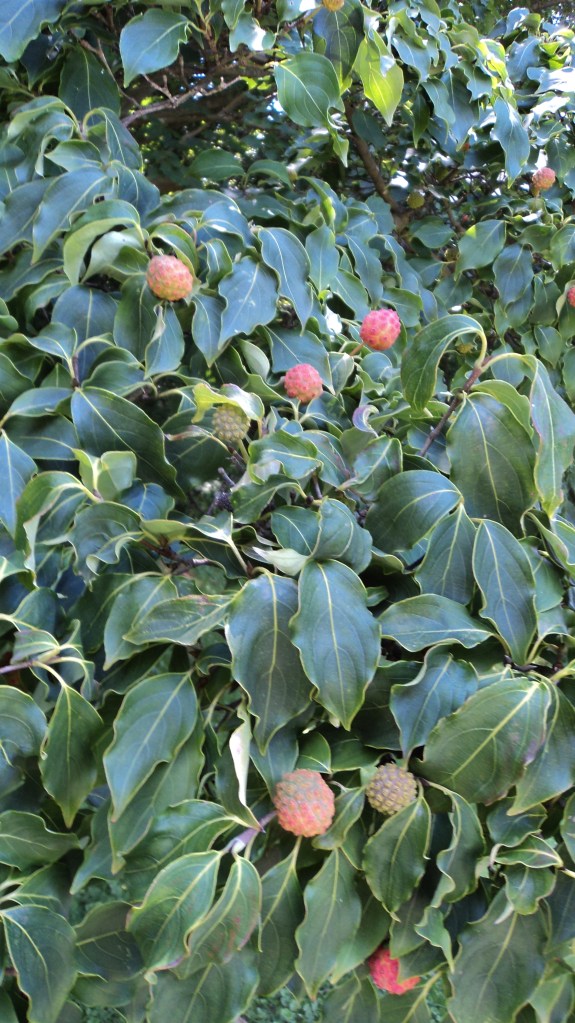
Since native plants evolved here, they are made to capitalize on each season. Native plants provide beauty and ecosystem services all year round. Planting a native garden means you can expect blooms, fruit, seeds, beautiful bark, overwinter habitat, and wildlife support all year round.

- Combating Habitat Destruction
Urbanization is the spread of urban areas. Modern urban spread is currently an unsustainable process, which means habitat is disturbed, destroyed, and lost. This opens the door for invasive species to spread whether they once could not get a foothold, and their establishment brings competition, pests, and disease which can be devastating to native flora and fauna. Urbanization also leads to large patches of land which used to be habitat but now cannot support the wildlife which once lived there. These gaps have equally devastating effects on wildlife, negatively impacting migration, seed spread, and more.
By building patchworks of native plants across cities, we can build a sustainable grassroots patchwork of native habitat which can offset some of the negative impacts by providing food and habitat to our wild friends and improving population diversity potentials of native plants. Building these networks also helps stamp out pests which affect humans. For example, opossums eat ticks, moles eat damaging larvae and grubs, bats eat mosquitoes and lady bugs eat aphids, birds of prey eat rodents.


 Appalachian Native Plants Consulting